
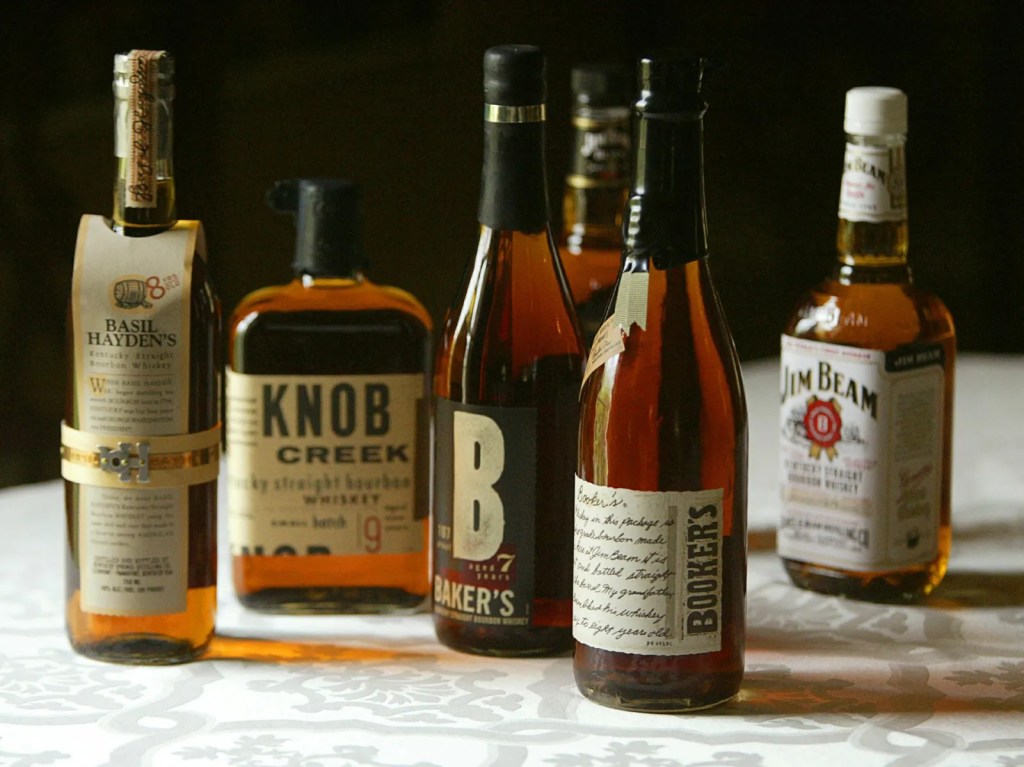
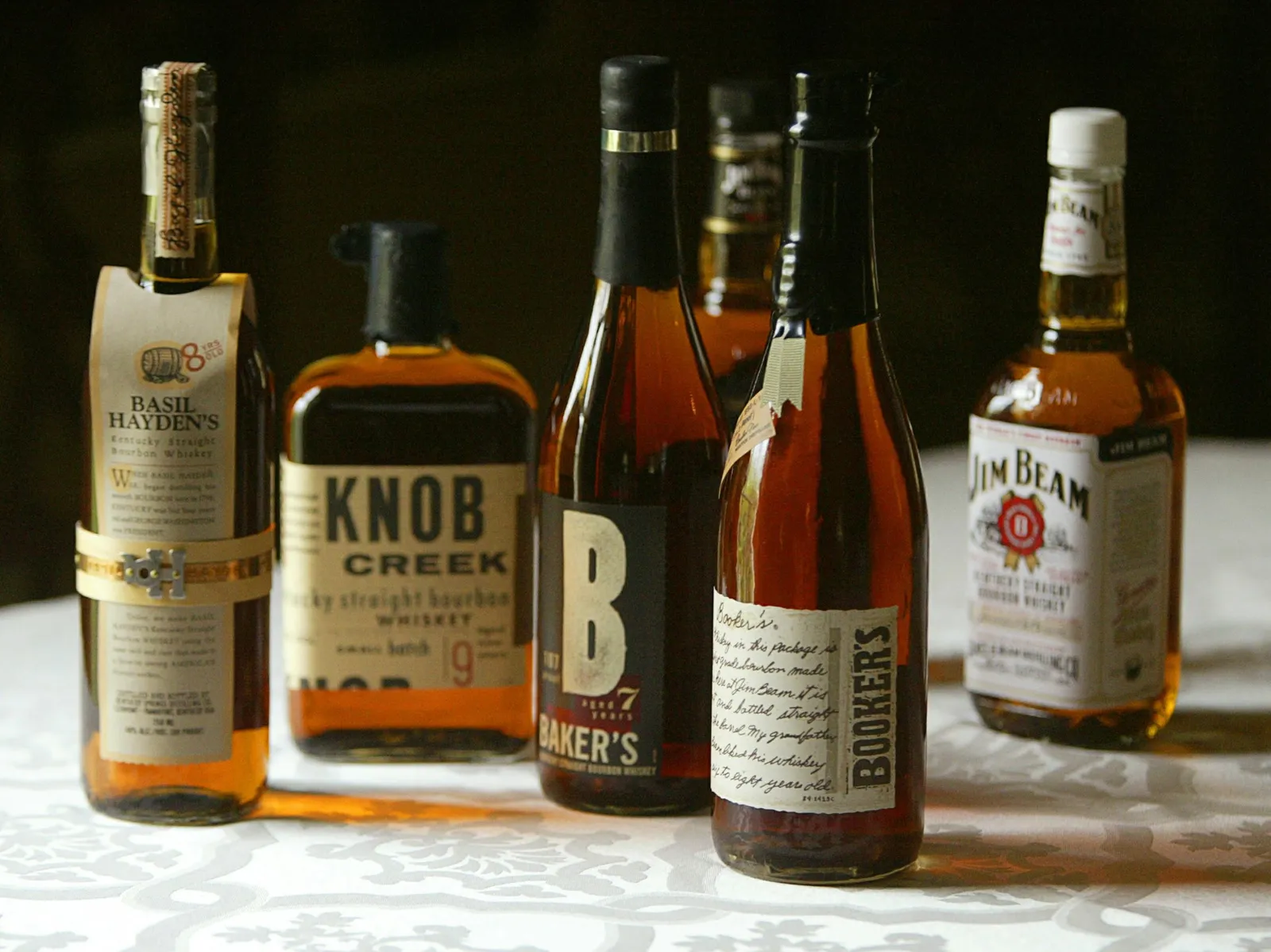
Bourbon: A Thriving Industry in 2024
The bourbon industry has become a significant economic force, particularly in Kentucky, where it generated an impressive $9 billion in revenue for the state in 2023. This substantial financial contribution underscores the industry's robust growth and impact on the local economy. Furthermore, the resurgence of bourbon production has brought about a welcome diversity, with examples such as Brough Brothers becoming the first Black-owned distillery in Louisville, symbolizing hope and change within their community.
Moreover, global trends indicate a notable increase in whiskey consumption, reflecting the industry's expanding influence beyond regional borders. Hank Phillips, president and CEO of the Kentucky Tourism Industry Association, emphasized that the Kentucky Bourbon Trail not only provides memorable experiences for visitors but also significantly contributes to generating economic benefits for the communities they visit. This demonstrates how bourbon has evolved into a compelling attraction that draws visitors to explore a broader range of tourism opportunities in Kentucky.
Economic Impact of the Bourbon Industry
The economic impact of the bourbon industry in Kentucky is profound, with the sector contributing significantly to the state's financial well-being. In 2023, Kentucky Bourbon's remarkable $9 billion revenue not only underscored its economic significance but also supported 23,100 jobs and annual salaries totaling $1.63 billion. This substantial employment and income generation have had a far-reaching effect on local communities, further enhancing the industry's importance.
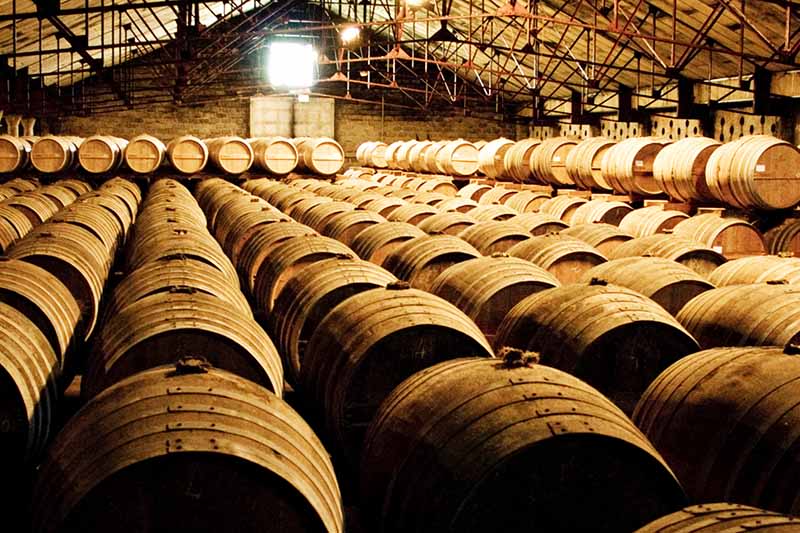
Moreover, the production and distillery growth within the bourbon industry have been remarkable. In 2022, a record-breaking 2.7 million barrels were produced, reflecting the industry's robust expansion. The presence of 100 licensed distilleries in Kentucky highlights the diverse ownership and operations within the sector, signifying an inclusive and dynamic landscape that fosters innovation and growth.
The commitment to sustainable practices is evident through significant investments by key players in the industry. For instance, Pernod Ricard's plan to invest $250 million over five years to build a carbon-neutral distillery and aging warehouses for its Jefferson’s Bourbon brand demonstrates a dedication to environmental responsibility. Additionally, initiatives such as Brown-Forman Corporation launching its distribution business in Slovakia signify a global expansion that further amplifies the industry's influence beyond domestic borders.
Jonathan Shell, Commissioner of Agriculture, emphasized how the bourbon industry has positively impacted Kentucky agriculture and farmers, fortifying the agricultural community for years to come. Furthermore, Ashley Cuyjet, General Manager at Evan Williams distillery, highlighted the evolving landscape of bourbon enthusiasts and professionals, noting increased diversity and inclusivity within both consumer demographics and industry leadership roles.
Diversity and Resurgence of Bourbon
The bourbon industry's resurgence is accompanied by a commendable emphasis on inclusivity and diversity, reflecting a shift towards broader representation and accessibility. This evolution is evident in the rise of female master distillers and an increased diversity among both producers and enthusiasts, signifying a departure from traditional demographics to a more inclusive landscape. Efforts for accessibility and inclusivity are further exemplified by establishments like Trouble Bar in the Shelby Park neighborhood, which aims to create a welcoming space for all individuals, including non-drinkers, fostering an environment of inclusiveness within the bourbon culture.
Furthermore, the urban bourbon trail has experienced a revival, with bourbon becoming intricately woven into city culture. The incorporation of bourbon in city life reflects its resurgence in Louisville, where it has become an integral part of the local identity and community spirit. This integration not only celebrates the rich heritage of bourbon but also contributes to the vibrancy and dynamism of urban spaces.
Victor Yarbrough's perspective on the changing face of bourbon underscores this transformative shift towards greater diversity, as he notes that interest in bourbon is expanding beyond traditional demographics to include younger individuals as well as Black and Asian drinkers. Additionally, Nicole Stipp, co-owner of Trouble Bar, highlights their commitment to inclusivity by ensuring that half of their staff comprises women of color, thereby creating an environment where everyone feels represented and welcomed.
The Future of Bourbon: A Diverse and Growing Landscape
The future of bourbon is poised for a dynamic and diverse trajectory, driven by evolving global trends in whiskey consumption. Exclusive packaging and limited editions are anticipated to play a pivotal role in captivating the interest of discerning whiskey enthusiasts, emphasizing the industry's commitment to innovation and quality. Furthermore, the resilience and growth of the bourbon industry are evident through initiatives aimed at strengthening trans-Atlantic trade relationships, reflecting a proactive approach to navigating international markets.
Si Ying Thian's insight into rising demand from younger consumers seeking unique flavors underscores the industry's adaptability and responsiveness to evolving consumer preferences, particularly in markets such as Singapore and Hong Kong. As the bourbon landscape continues to evolve, these factors collectively contribute to a promising future characterized by diversity, innovation, and sustained growth.
See Also
The Craft Irish Whiskey Co. Achieves Record $2.8M Sale of The Emerald Isle in 2024

 ULTIMATE WHISKY BLOG
Leave a comment